Transportation Problem In Linear Programming Net Worth 2026: Salary, Income & Wealth Net Worth & Biography
How much is Transportation Problem In Linear Programming Net Worth 2026: Salary, Income & Wealth worth? We've researched comprehensive wealth data, income records, and financial insights for Transportation Problem In Linear Programming Net Worth 2026: Salary, Income & Wealth. Uncover the complete Net Worth breakdown, salary history, and investment portfolio.
Estimated Worth: $44M - $52M
Salary & Income Sources
Explore the key sources for Transportation Problem In Linear Programming Net Worth 2026: Salary, Income & Wealth. From highlights to returns, find out how they accumulated their status over the years.
Career Highlights & Achievements
Stay updated on Transportation Problem In Linear Programming Net Worth 2026: Salary, Income & Wealth's newest achievements. Whether it's record-breaking facts or notable efforts, we track the highlights that shaped their success.
How to Formulate LPP for a Transportation Problem | CBSE Maths Class 12
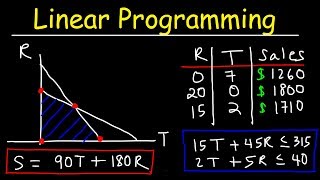
Linear Programming
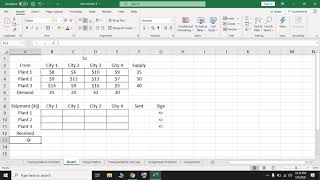
Solving LP Transportation Problem | Excel Solver
Introduction to North West Corner Method|Transportation problem|LPP|Operation Research|Dream Maths
Linear Programming and Transportation Problems🔥|Complete Chapter|BBA|BCA|B.COM|B.TECH|Dream Maths
Operations Research: Solving the Transportation Problem Using the Least Cost Method
Transportation Problem
Least cost method[transportation problem] in operation research.
How to Optimize a Transportation Problem
Assets, Properties & Investments
This section covers known assets, real estate holdings, luxury vehicles, and investment portfolios. Data is compiled from public records, financial disclosures, and verified media reports.
Last Updated: June 10, 2026
Net Worth Outlook & Future Earnings
For 2026, Transportation Problem In Linear Programming Net Worth 2026: Salary, Income & Wealth remains one of the most searched-for celebrity profiles. Check back for the latest updates.
Disclaimer: Disclaimer: Net Worth estimates are based on publicly available data, media reports, and financial analysis. Actual numbers may vary.






![Least cost method[transportation problem] in operation research. Net Worth](https://i.ytimg.com/vi/5xCUzCTjAXQ/mqdefault.jpg)

