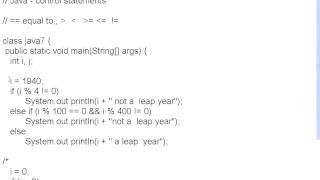
Part 7 Java Tutorial Control Net Worth 2026: Salary, Income & Wealth Net Worth & Biography
How much is Part 7 Java Tutorial Control Net Worth 2026: Salary, Income & Wealth worth? We've researched comprehensive wealth data, income records, and financial insights for Part 7 Java Tutorial Control Net Worth 2026: Salary, Income & Wealth. Discover the complete Net Worth breakdown, salary history, and investment portfolio.
Estimated Worth: $86M - $126M
Salary & Income Sources
Explore the main sources for Part 7 Java Tutorial Control Net Worth 2026: Salary, Income & Wealth. From partnerships to returns, find out how they built their profile over the years.
Career Highlights & Achievements
Stay updated on Part 7 Java Tutorial Control Net Worth 2026: Salary, Income & Wealth's newest achievements. Whether it's award-winning performances or notable efforts, we track the highlights that shaped their success.
String Part 7: Equals Method (Java)
Java Tutorial # 7 | Control Statements in Java - Part 2 | JAVA9S.com
Java Programming Tutorial - Part 7- Switch Statements
how to make calculator #java
Learn Java Tutorial for Beginners, Part 7: Getting User Input
How to program Java | Part 7 | If & Else If Statements
Core Java With OCJP/SCJP: Declarations and Access Modifiers Part-7|| MemberLevel Modifiers
Part7-Selenium with Java Tutorial | Practical Interview Questions and Answers | InputBox
Assets, Properties & Investments
This section covers known assets, real estate holdings, luxury vehicles, and investment portfolios. Data is compiled from public records, financial disclosures, and verified media reports.
Last Updated: May 21, 2026
Net Worth Outlook & Future Earnings
For 2026, Part 7 Java Tutorial Control Net Worth 2026: Salary, Income & Wealth remains one of the most talked-about celebrity profiles. Check back for the newest reports.
Disclaimer: Disclaimer: Net Worth estimates are based on publicly available data, media reports, and financial analysis. Actual numbers may vary.